Publications
Urban Design: Transforming Cities into Spaces of Connection and Well-Being

Rapid urbanization over recent decades has intensified central challenges for contemporary cities: how to promote quality of life, social interaction, and environmental balance in increasingly dense and complex territories.
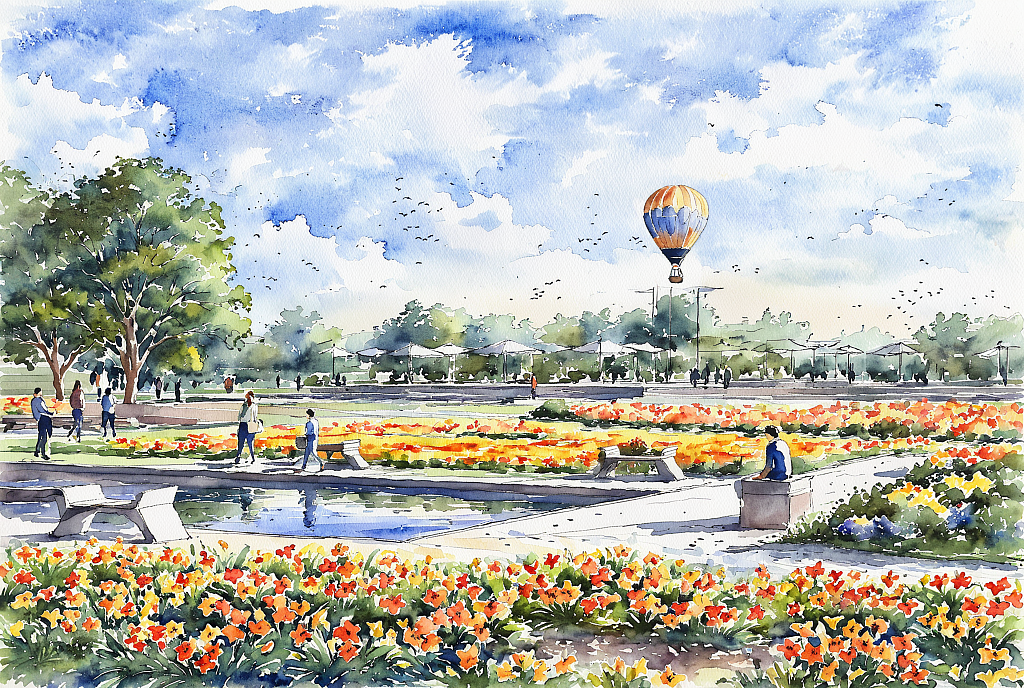
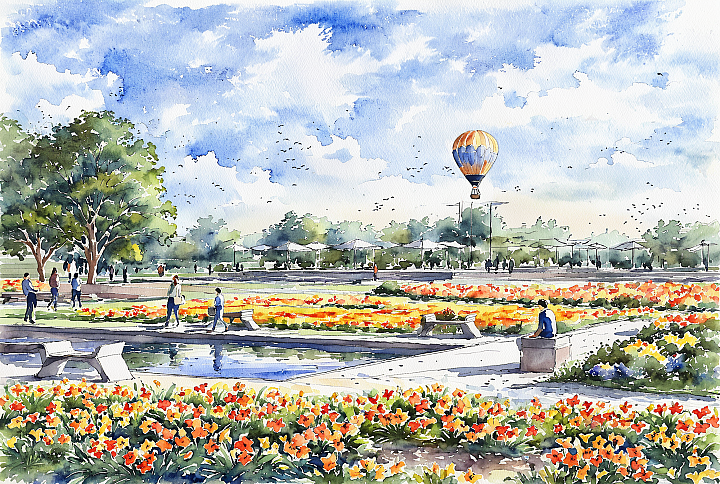
In this context, urban design plays a strategic role. More than organizing physical space, it structures relationships, activates public life, and creates the conditions for more human cities. Urban landscape design emerges as a fundamental tool in this process, integrating nature, infrastructure, and everyday experience.
What Are Urban Projects
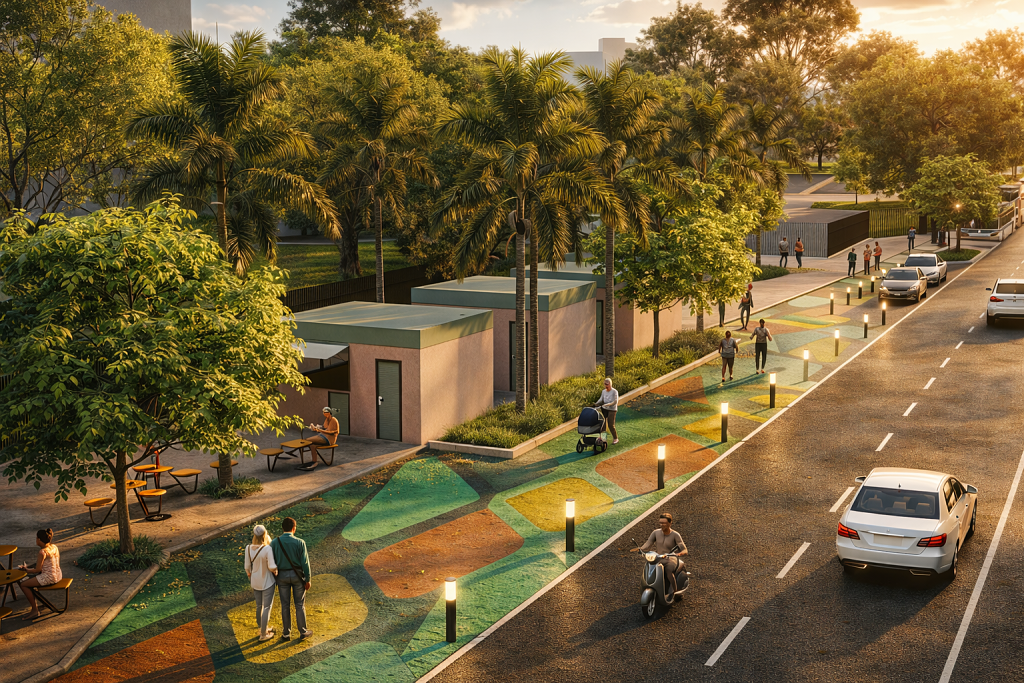
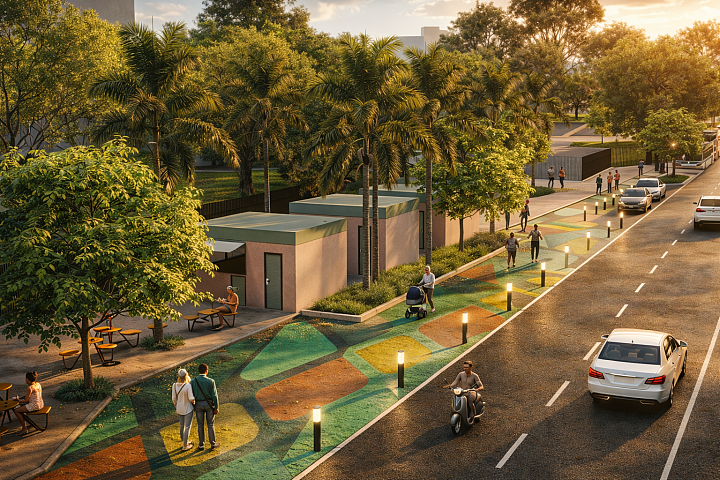
An urban project is the integrated planning of specific areas of a city with the goal of requalifying the physical, social, and environmental environment. It may involve the reorganization of streets and sidewalks, the creation or renewal of parks, plazas, and public spaces, as well as the articulation between mobility, landscape, and land use.
Its purpose goes beyond spatial efficiency. A well-developed urban project promotes social integration, improves circulation, encourages encounters, and ensures that the territory is sustainable, accessible, and welcoming.
Designing the city, therefore, is designing experiences — and understanding urban space as a living system in constant transformation.
How to Create Spaces of Connection and Social Interaction in Cities
For an urban project to be inclusive and socially connected, several principles are essential:
Accessibility and Inclusion
Spaces must welcome everyone, with continuous pathways, ramps, resting areas, and solutions that ensure autonomy and safety.
Green Areas and Natural Elements
The integration of vegetation is structural. Urban landscape design creates environments that support well-being, mental health, and thermal comfort, while strengthening biodiversity.
Multifunctional Spaces
Plazas, parks, and streets should accommodate multiple uses — leisure, sports, culture, and social life — extending time of use and encouraging encounters between people.
Environmental Sustainability
Solutions such as rainwater reuse, nature-based drainage, and low-impact materials contribute to more resilient and healthier cities.
Urban landscape design articulates these elements, transforming public spaces into infrastructures for coexistence.
Urban Projects with Landscape as a Space for Leisure: Plantar’s Approach
Plantar operates in the development of urban, landscape, and public-use architectural projects, with a focus on creating living and connected territories. Since 2016, the studio has developed more than 60 projects dedicated to parks, plazas, and public assets across different scales.
Ibirapuera Park — São Paulo
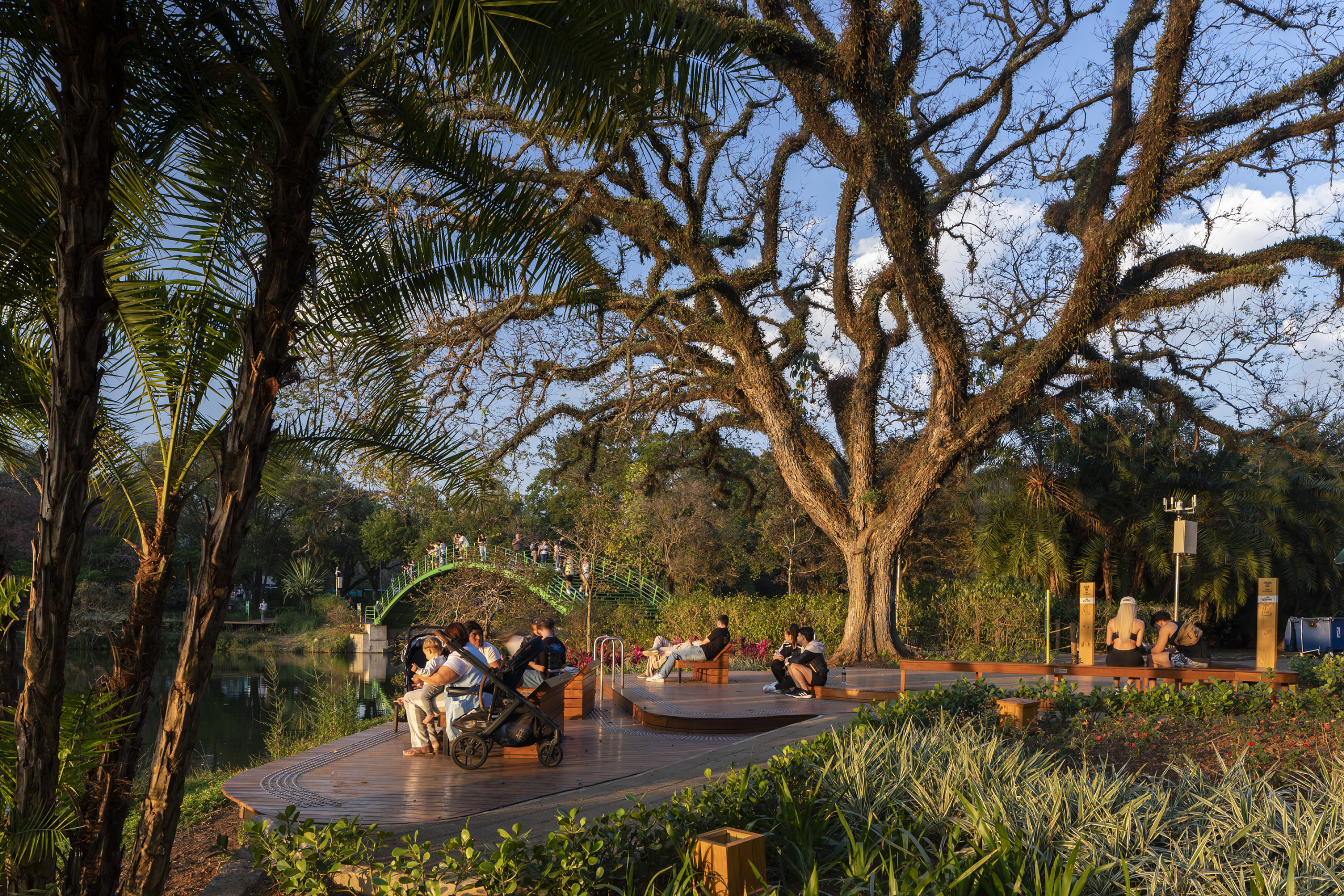
At Ibirapuera Park, the work involved the landscape and functional qualification of the park, respecting its architectural and historical value. Interventions expanded bike lanes, sports areas, and social gathering spaces, as well as the restoration of cultural facilities such as the Oca and the Planetarium.
Cantareira State Park and Horto — São Paulo
This project focused on enhancing the visitor experience and qualifying leisure spaces. Key proposals included the glass walkway at Pedra Grande and the requalification of museums, always preserving the park’s natural vocation.
Pituaçu Metropolitan Park — Salvador
In Pituaçu, Plantar worked on the park’s technical and economic structuring, with a focus on public-private partnership models. Proposals included floating kiosks, shaded children’s areas, and walkways over the lake, strengthening integration with the natural landscape.
Travessias Project — Capibaribe River (Recife)
Developed for a public competition, the project proposed reconnecting the Capibaribe River with the city. The pedestrian bridge, inspired by the water lettuce plant, acts as both urban and landscape infrastructure, promoting environmental and social revitalization of the riverbanks.
C232 Square — Goiânia
The revitalization of C232 Square transformed the area into a more welcoming and functional environment. The project enhanced leisure areas, playgrounds, and outdoor fitness equipment, strengthening everyday use and community ties.
How to Develop an Urban Project
The development of an urban project involves multiple stages and integrated fields of knowledge:
• Planning and Data Collection
Analysis of the territory, topography, infrastructure, vegetation, and regulations.
• Urban Guidelines and Feasibility
Coordination with public authorities and definition of land-use rules.
• Preliminary Studies and Environmental Licensing
Assessment of social, environmental, and economic impacts.
• Project Development and Approvals
Preparation of preliminary designs and submission to relevant authorities.
• Execution and Implementation
Legal formalization, final approvals, and construction oversight.
With an integrated and territory-sensitive approach, Plantar develops urban projects that qualify urban experience, promote well-being, and strengthen the relationship between people, city, and nature.