Publications
Tactical Urbanism: Transforming Public Spaces with Agility and Impact
Tactical urbanism is a contemporary strategy that reshapes how cities experiment with and qualify their public spaces. More than fast interventions, it proposes a shift in mindset: act, test, listen, and adjust.
In urban contexts marked by complex challenges — scarcity of green areas, the need for active mobility, and climate urgency — tactical urbanism emerges as an effective tool for adaptable solutions, especially when aligned with sustainable urbanism.
What Is Tactical Urbanism
Tactical urbanism is an approach to urban intervention based on temporary, low-cost, and quickly implemented actions aimed at improving use, coexistence, and experience in public spaces.
Instead of waiting for long planning and execution cycles, these interventions allow solutions to be tested directly within the territory, creating environments that are more human, accessible, and inclusive.
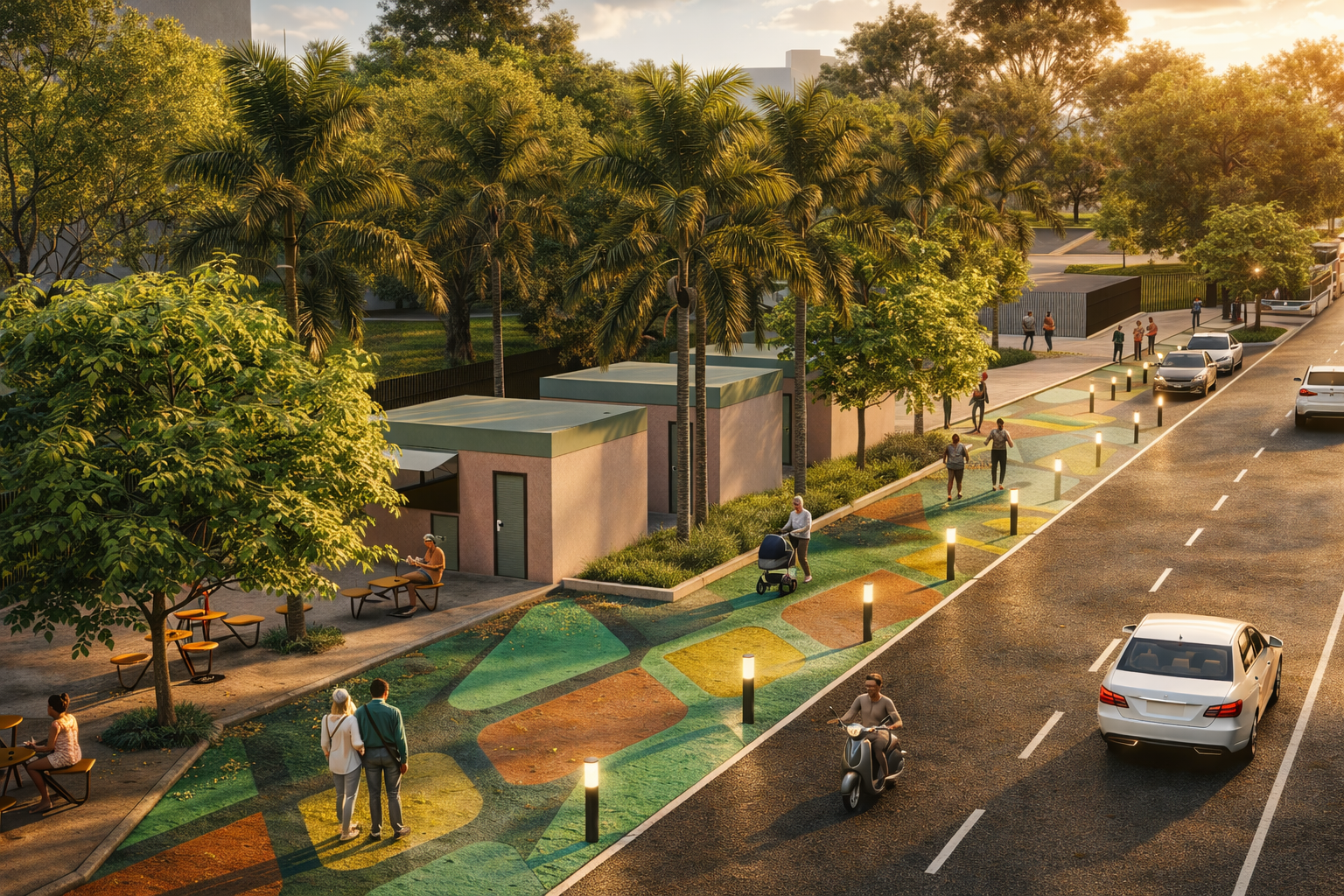
Temporary furniture, painted streets for pop-up bike lanes, parklets, and small leisure areas are recurring examples of this approach.
Its strength lies in experimentation. By validating solutions at full scale, tactical urbanism reduces risk, broadens dialogue with local communities, and generates concrete insights for more effective permanent projects.
How Tactical Urbanism Transforms Public Spaces
Agility and Low Cost
By using simple materials — paint, lightweight structures, modular furniture, and vegetation — tactical urbanism enables the rapid requalification of underused spaces. This agility is especially relevant in contexts where traditional urban planning proves slow or financially restrictive.
Civic Participation
Community participation is a central pillar. Residents and users become active agents in the conception, implementation, and evaluation of interventions, strengthening a sense of belonging and shared responsibility for public space.
Testing and Adaptation
Because they are temporary, tactical interventions function as urban laboratories. Different configurations can be tested, evaluated, and refined based on real use and public feedback, increasing long-term efficiency and relevance.
Practical Examples of Tactical Urbanism
Among the most common applications are:
• Parklets: the temporary transformation of parking spaces into areas for social interaction.
• Temporary bike lanes: rapid implementation of cycling infrastructure to promote active mobility.
• Pop-up parks and plazas: temporary occupation of vacant or underused lots with vegetation and urban furniture.
• Open streets: partial street closures for pedestrians and cyclists during specific times.
• Urban painting and public art: the use of color and graphics to qualify, orient, and activate space.
These interventions demonstrate how small actions can generate significant shifts in urban dynamics.
Origins and Consolidation of Tactical Urbanism
Tactical urbanism has roots in community-based and environmental practices, such as guerrilla gardening and spontaneous interventions in underused urban spaces. The concept gained international recognition in 2011 with the publication of Tactical Urbanism: Short-Term Action for Long-Term Change, by Mike Lydon and Anthony Garcia.
Since then, initiatives such as Bogotá’s temporary bike lanes and San Francisco’s parklets have consolidated tactical urbanism as an accessible, replicable, and high-impact urban tool.
Tactical Urbanism and Urban Sustainability
When aligned with sustainable urbanism, tactical urbanism amplifies its benefits. The use of native vegetation, nature-based solutions — such as rain gardens — and recyclable materials helps improve thermal comfort, strengthen urban biodiversity, and reduce environmental impacts.
More than isolated interventions, these actions reveal pathways toward more resilient and adaptable cities.
Urbanism and Landscape: Plantar’s Approach
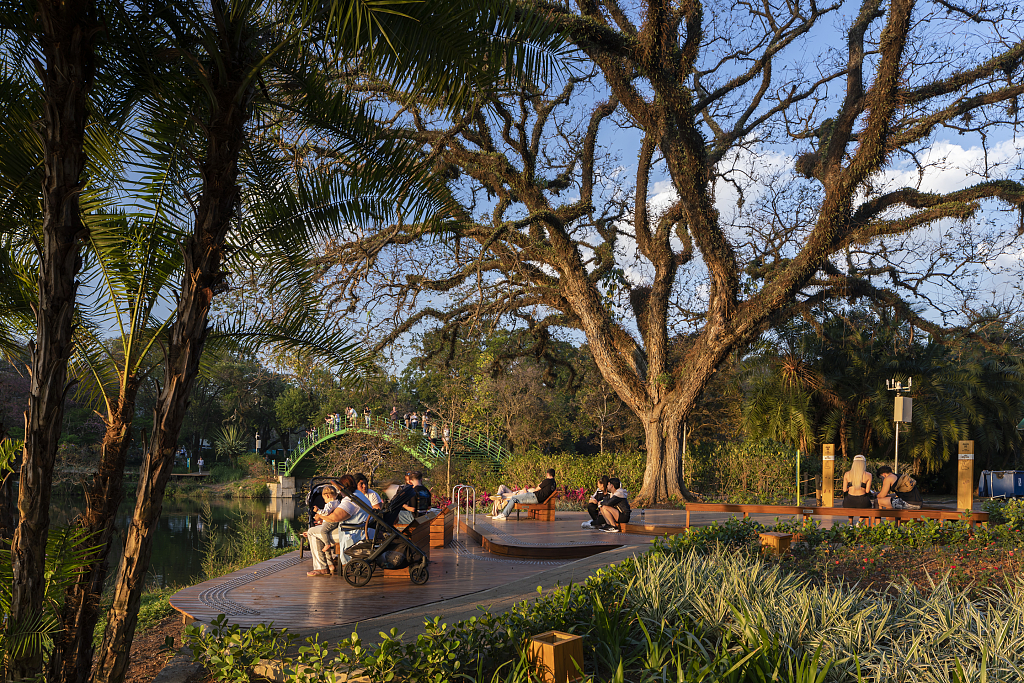
Plantar operates at the intersection of urbanism, landscape, and urban experience. In projects involving public spaces, plazas, parks, and urban furniture, the studio incorporates principles of tactical urbanism as tools for listening, testing, and collective construction.
Each intervention begins with a sensitive reading of the territory and its social dynamics, seeking practical solutions that integrate nature, comfort, and coexistence. The result is public space that not only functions, but welcomes — and evolves through real use of the city.
Want to understand how to apply tactical urbanism and landscape strategies in an integrated way? Explore Plantar’s projects and discover pathways toward more human, green, and living cities.