Publications
Landscape Architecture: What It Is and Why It Matters for Cities
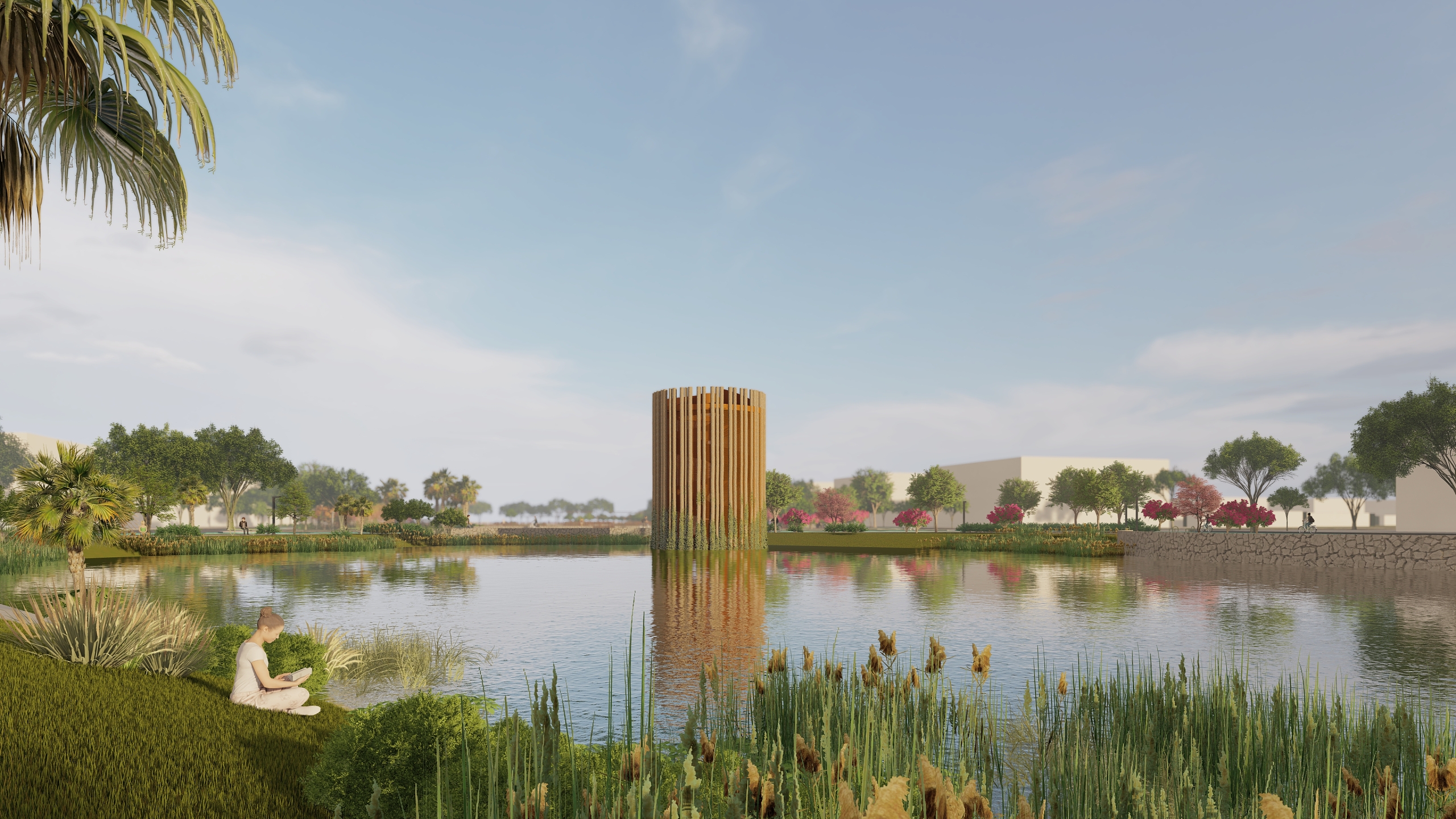

Landscape Architecture: What It Is and Why It Matters for Cities
Have you ever stopped to think about how outdoor urban spaces can be designed to reconnect people with nature and improve quality of life?
Landscape architecture emerges precisely from this question — and from the urgency of addressing it in cities that are increasingly dense, fast-paced, and unequal.
Landscape architecture is the discipline that integrates architecture, urbanism, ecology, and design to transform open spaces into environments of coexistence, well-being, and environmental balance. More than designing gardens, it structures living systems capable of enhancing everyday urban life.
In this article, you will understand what landscape architecture is, why it is essential to the future of cities, and how Plantar applies this vision to create living and integrated territories.
What Is Landscape Architecture
Landscape architecture is both the art and science of designing open spaces — such as parks, squares, streets, neighborhoods, and urban green areas — while considering the balance between natural systems and human life.
Its purpose is to combine sustainability, comfort, beauty, and functionality, always respecting the cultural, social, and environmental characteristics of each place. It is a systemic approach that understands space as a living organism in constant transformation.
Unlike purely aesthetic perspectives, landscape architecture operates across multiple layers of territory. It considers water cycles, soil quality, biodiversity, accessibility, mobility, and social dynamics, ensuring that spaces are healthy, inclusive, and adaptable.
By recognizing cities as complex ecosystems, this discipline assigns a structural role to greenery: regulating climate, improving air quality, reducing flooding risks, and promoting physical and mental health.
Designing outdoor spaces, therefore, means designing relationships — between people, territory, and nature.
A well-executed landscape architecture project transforms urban areas into living places that encourage social interaction, leisure, culture, and a sense of belonging — essential qualities for contemporary cities.
Landscape Architecture: A Vision for the Future of Cities
Rapid urban growth brings urgent challenges: unplanned development, lack of green areas, pollution, heat islands, and social isolation. Addressing these issues requires integrated solutions that are both technically robust and context-sensitive.
Landscape architecture acts as a bridge between the urban and the natural, proposing spaces that welcome, protect, and connect. Among its key strategies are:
• the use of native vegetation to strengthen biodiversity;
• rainwater harvesting, infiltration, and reuse systems;
• projects that prioritize pedestrians and cyclists;
• public spaces that foster social and cultural interaction.
In addition, landscape architecture incorporates principles of resilient design, preparing cities to face the impacts of climate change. Areas capable of absorbing heavy rainfall, mitigating excessive heat, and providing habitats for flora and fauna become essential environmental infrastructures.
More than responding to present challenges, landscape architecture helps shape cities that are adaptable, inclusive, and prepared for the future.
Landscape Architecture in Practice: Plantar’s Approach
Plantar exemplifies how landscape architecture can transform territories and enhance urban life. Founded in 2016 by architects Luciana Pitombo and Felipe Stracci, the studio works across multiple scales — from parks and public squares to planned neighborhoods and large public spaces.
One of its emblematic projects was developed at the Technological Park of the Federal University of Rio de Janeiro (UFRJ), located on Fundão Island. The intervention involved the retrofit and requalification of the campus’s open spaces, aiming to integrate innovation, daily use, and sustainability.
The project began with an in-depth analysis of spatial dynamics: flows, circulation paths, gathering areas, and environmentally sensitive zones. Based on this understanding, solutions were proposed that connect technology, mobility, landscape, and social life.
Green areas now function as spaces for encounter, rest, and exchange, while urban furniture design and circulation improvements enhance accessibility and user experience. The result is a park that harmonizes nature and innovation, aligned with contemporary academic life.
Another important area of Plantar’s work lies in planned neighborhoods. In these projects, landscape architecture structures public spaces as central elements of everyday life, promoting active mobility, environmental preservation, and a sense of community. Green infrastructure becomes an integral part of daily living.
Landscape for More Human and Sustainable Cities
Landscape architecture broadens the understanding of urban space. It transforms outdoor areas into environments that encourage social interaction, respect natural cycles, and promote physical and mental health.
By integrating architecture, urbanism, ecology, and design sensitivity, this approach delivers solutions that benefit people, cities, and the environment simultaneously.
Want to explore more examples of how Plantar transforms spaces into living territories? Discover